
The mission
Tanzania is taking its first steps into space. The value of those steps will be decided on the ground.
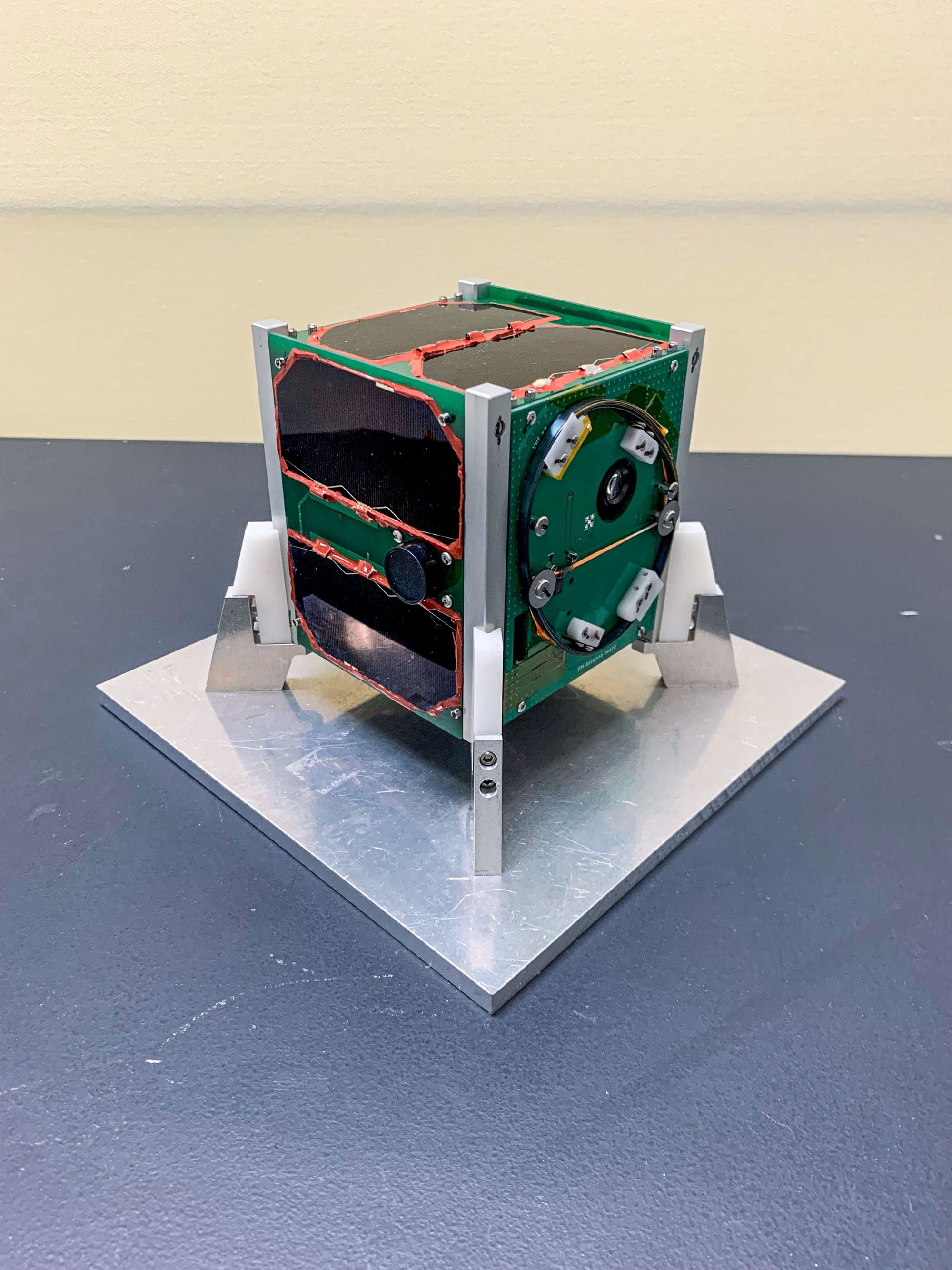
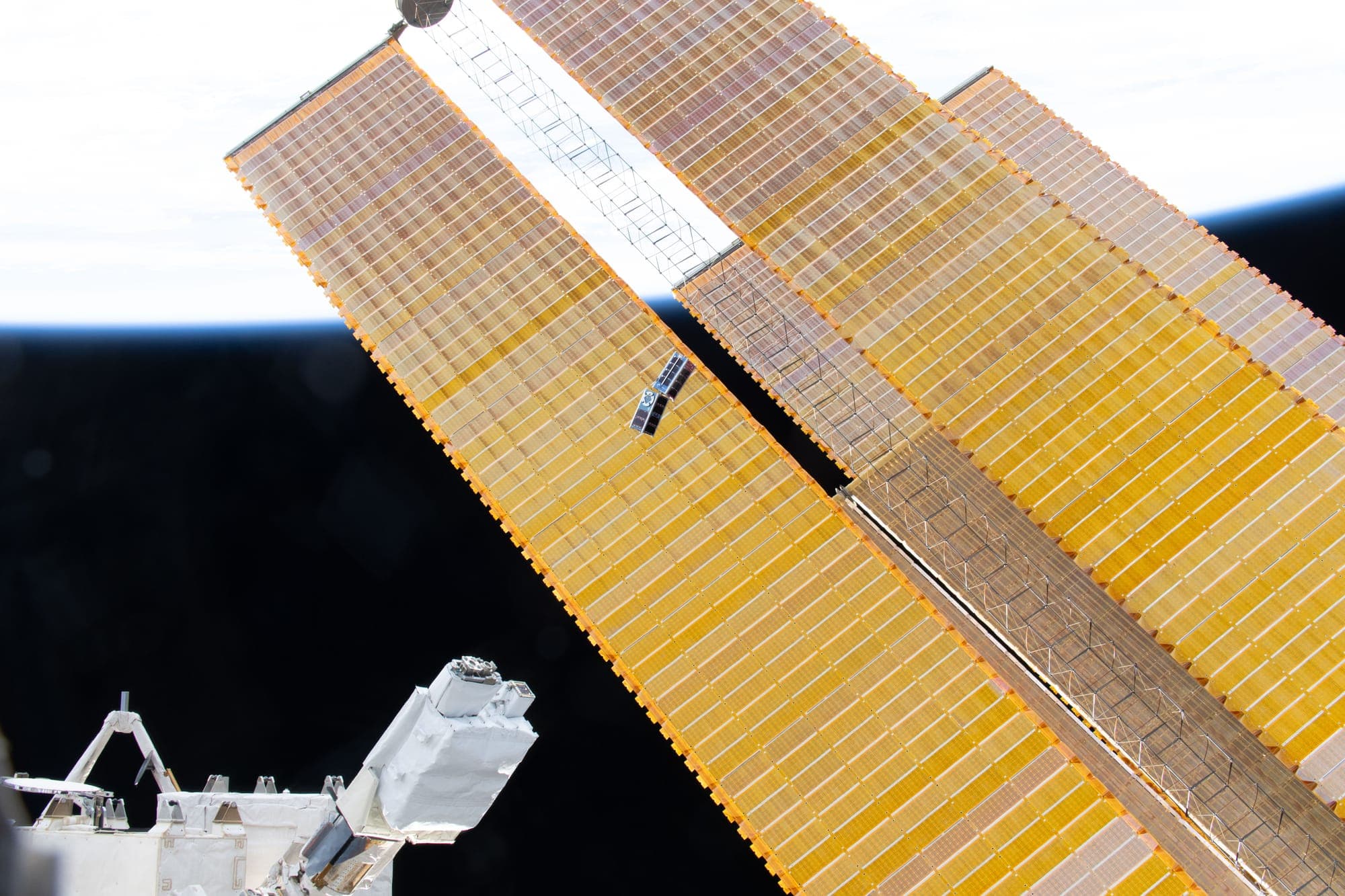
In 2026 Tanzania published a five-year strategic plan for space programmes — From Mount Kilimanjaro, the Peak of Africa, to Space — and its universities are building TanSat-1, the country's first CubeSat, for deployment from the International Space Station under the UN and Japan's KiboCUBE programme. Interstellar Solutions exists to make those steps count: a satellite is only as useful as what happens to its data once it reaches the ground.
The path is a sequence: earn trust and revenue with satellite data that helps Tanzanian institutions decide better; build the ground data segments, archives and products that a national programme needs and that its students can run; then help carry the missions that follow the first one further. The name is not a metaphor. It is the direction of travel.
Everything on this site is that sequence, in order. The Earth-observation work funds the mission and proves the competence. The national programme and the international programmes around it are the door. The mission is why the company exists.
The sequence
Now
Earn trust and revenue with satellite data that helps Tanzanian institutions decide better.
Next
Build the ground data segment and data products TanSat-1 needs, with the universities that are building it — so the first satellite pays back on the ground.
Then
Help carry the missions that follow: more capable payloads, a national archive, and the Tanzanian engineers to run them.
Always
Keep the interstellar direction in view. It is the reason for all of the above.
Principles
Evidence over hype
We say what was built, what it does, and what it does not do.
Earth first
The nearest use of space is looking back at the ground. That is where we start.
Institutions, not apps
We build for the agencies, universities and programmes that outlast any single project.
Open by default
Interstellar Challenge is where we invite the public in without lowering the standard.
The door
Programmes that make a first satellite possible
We are not partners with any of these yet, and we say so. The national programme is the door; the rest are the routes our work is built to fit.
TanSat-1 & the national space strategy
Ministry of Communication and IT · DIT, UDSM, UDOM, SUZA, MUST and partners
Tanzania's first CubeSat, in development by a consortium of universities under the 2025–2030 strategic plan, for deployment via KiboCUBE. Mission: environmental sensors, reserve boundary beacons, imaging, IoT relay.
We are not part of the consortium. We are proposing to build its ground data segment and first data products with the University of Dar es Salaam.
Access to Space for All · KiboCUBE
UNOOSA & JAXA
Free CubeSat deployment from the ISS for institutions in developing countries. Kenya's first satellite flew through it; Tanzania's is on the way.
The programme carrying TanSat-1. Our work is designed to fit what its missions need on the ground.
GMES & Africa
African Union & European Union
Earth-observation services for African institutions, funded through consortia.
The service categories we build in are the ones it funds.
Digital Earth Africa
Open data platform
Analysis-ready Sentinel and Landsat data for the whole continent, free.
A core data source in our pipelines today.
Copernicus
European Union
The Sentinel satellite family and open data policy that makes most of this possible.
Primary imagery source for our analytics.
Interstellar Challenge is where we invite the public in — a prediction platform about missions, with a directory of the world's space agencies.
Visit the platform